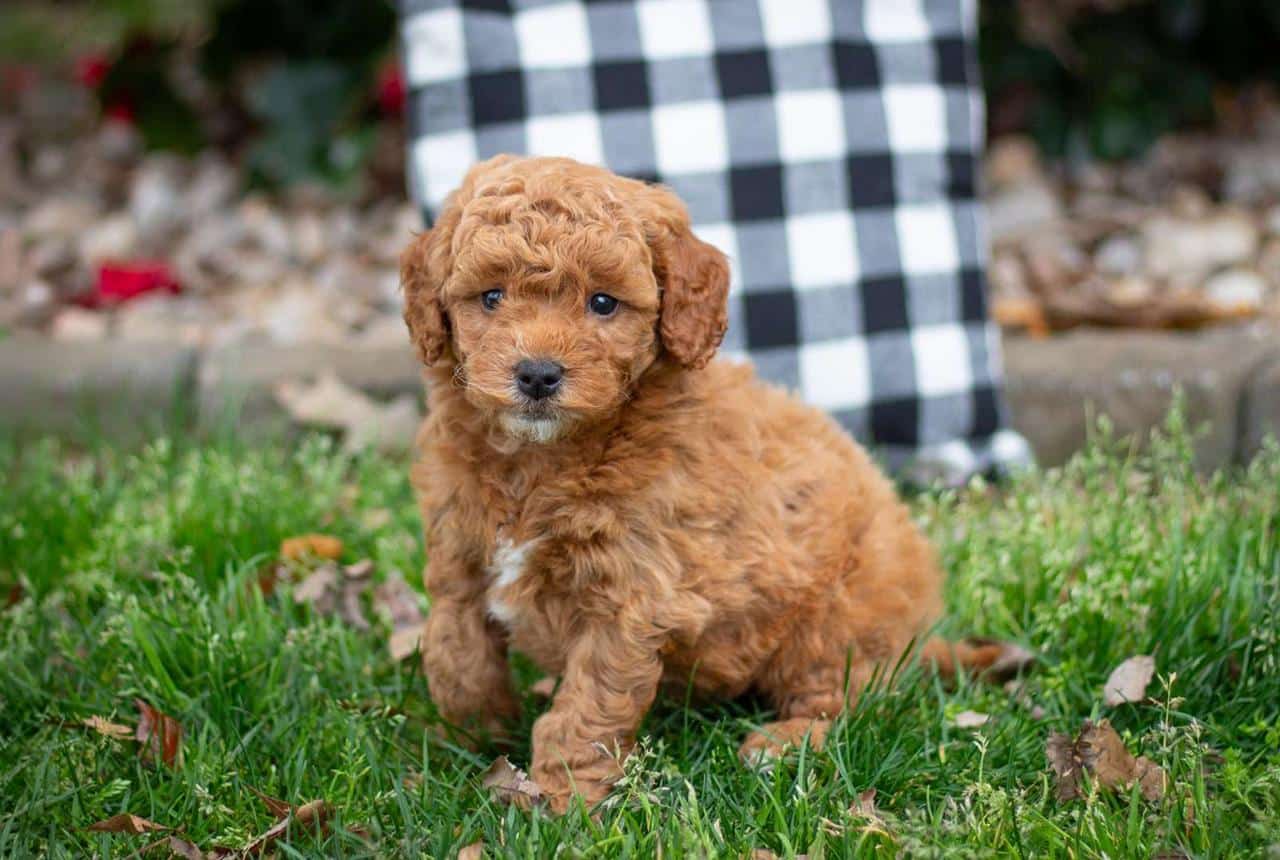
Bernedoodle Behavior: Intelligence, Stubbornness, and Training That Works

A Bernedoodle can be affectionate, bright, playful, and surprisingly independent, sometimes all in the same afternoon. That combination can delight a first-time owner, but it also explains why training may feel easy one day and puzzling the next.
Bernedoodles may inherit traits associated with both parent breeds. The Bernese Mountain Dog standard describes a self-confident, alert, good-natured dog, while the Poodle standard describes a very active, intelligent dog. Your puppy will still be an individual, shaped by genetics, early development, socialization, health, age, environment, and learning.
Bernedoodle behavior becomes easier to understand when you look at what the dog is learning, what is happening around them, and whether their needs are being met. This guide focuses on training, focus, leash manners, socialization, and cooperation. For a broader personality overview, see our Bernedoodle temperament guide.
Are Bernedoodles Easy to Train?
Many Bernedoodles are quick learners, especially when training is clear, rewarding, and matched to the dog’s age and environment. Intelligence can help a puppy learn a new cue quickly, but learning a cue is different from performing it reliably everywhere.
A puppy who sits in the kitchen may struggle on a busy sidewalk. That usually means the setting became harder, not that the dog suddenly became stubborn.
Before assuming your Bernedoodle is refusing to cooperate, ask three questions:
- Does my dog understand this cue in this setting?
- Is the distraction level higher than we have practiced?
- Is the reward valuable enough for the difficulty of the task?
If the answer points to a training gap, make the next repetition easier. Move farther from the distraction, use a better reward, or return to a place where your puppy can succeed.
Are Bernedoodles Stubborn?
A Bernedoodle may sometimes look stubborn, but hesitation or selective listening often has a more useful explanation. The dog may be distracted, confused, tired, overexcited, worried, physically uncomfortable, or simply more interested in something else.
Intelligent dogs notice patterns quickly. If jumping gets attention, pulling reaches an interesting smell, or counter surfing occasionally produces food, those behaviors have been rewarded even if nobody intended to teach them.
Instead of asking, “How do I make my dog obey?” try asking, “What is my dog learning from this moment?” That small shift makes training much easier to troubleshoot.
Positive Reinforcement for Bernedoodle Training
Positive reinforcement means giving your dog something they value immediately after a behavior you want to see again. The American Veterinary Society of Animal Behavior recommends reward-based methods for teaching skills and addressing behavior concerns.
One Bernedoodle may prefer a tiny food treat. Another may work for a toy, praise, a sniff break, or permission to greet someone.
Timing matters. If you are teaching “down,” mark the behavior the moment your dog’s elbows reach the floor, then reward. A simple marker such as “yes” can help your puppy understand exactly which choice earned the reward.
Reward the Behavior You Want Repeated
Daily life gives you dozens of easy training opportunities:
- Reward four paws on the floor when someone enters.
- Ask for a sit before clipping on the leash.
- Reinforce your puppy for checking in with you on a walk.
- Reward calm behavior before opening a door.
- Notice and reward your dog for settling quietly.
At first, reward successful responses often. As a skill becomes familiar, food rewards can become less frequent while praise, play, access to activities, and occasional treats continue to reinforce good choices.
Keep Household Rules Consistent
A smart puppy can struggle with rules that change from person to person. If one family member encourages jumping while another asks for a sit, the puppy is receiving two different lessons.
Choose simple house rules everyone can follow. Consistency makes the right behavior easier for your Bernedoodle to predict.
Bernedoodle Energy: Exercise Is Only Part of the Picture
Bernedoodles are generally positioned by Crockett Doodles as moderately active, but puppies can still arrive with plenty of enthusiasm. A young dog may race through the house, investigate everything, nap, and wake up ready for another round.
The right amount of activity depends on age, size, health, conditioning, weather, and individual energy level. Puppies need age-appropriate activity and plenty of rest, while healthy adult dogs may enjoy longer walks, hiking, swimming, retrieving, or other shared activities.
A fenced yard helps with play and bathroom breaks, but many Bernedoodles also enjoy activity with their people. Walks, sniffing, play, and training provide changing sights, smells, choices, and interaction.
Give the Brain a Job Too
A dog can finish a walk and still be ready to invent a project at home. Mental work gives that curiosity somewhere useful to go.
Try rotating activities such as:
- Short training games
- Food puzzles
- Finding a hidden toy
- Simple scent searches
- Trick training
- Calm problem-solving games
The goal is not to keep your Bernedoodle busy every minute. A good routine includes activity and practice settling afterward.
Socialization Builds Confidence, Not Forced Friendliness
Puppy socialization is the process of helping a young dog build safe, positive associations with the world. It is not a race to meet the greatest possible number of people or dogs.
The American Veterinary Society of Animal Behavior supports early, appropriate socialization and positive training. Your puppy might watch a person wearing a hat from a comfortable distance, hear traffic while eating treats, walk across a new surface, or calmly observe another dog without greeting.
Some Bernedoodles approach new people quickly. Others prefer to watch first. Give your puppy enough space to stay curious and able to eat, play, or respond to you.
If your dog becomes worried, add distance and lower the intensity. Confidence grows through manageable experiences. A puppy who learns that you will listen when something feels difficult has a better chance of recovering calmly.
Leash Training a Bernedoodle Without a Tug-of-War
Starting leash skills while your Bernedoodle is young makes walks easier as the dog grows. Begin indoors, in the yard, or somewhere quiet where your puppy can notice you without competing with every smell, person, dog, and squirrel at once.
Reward your puppy for walking near you and for voluntarily checking in. A comfortable, properly fitted walking setup matters, but equipment is only part of the picture. Your dog still needs to learn what makes the walk continue.
Teach Loose-Leash Walking Step by Step
When the leash tightens, pause or change direction before pulling becomes the way your dog reaches something interesting. As soon as the leash loosens and your dog reconnects with you, reward and continue.
Keep early practice short. Once your puppy can walk with you quietly, add more interesting environments.
| Training stage | Main focus | What success looks like |
|---|---|---|
| Quiet practice | Following and checking in | Puppy notices you and moves with a loose leash |
| Easy outdoor walks | Loose-leash basics | Puppy can reconnect after mild distractions |
| More distracting places | Focus and recovery | Dog can turn back to you around everyday activity |
| Ongoing practice | Comfortable walking habits | Walks feel cooperative rather than like a contest |
Progress is rarely perfectly linear. Adolescence, exciting environments, and new experiences can temporarily make familiar skills harder.
Teach Impulse Control Through Everyday Life
Impulse control is easier to understand when you think of it as practicing a pause before something exciting happens.
Ask for a brief moment of calm before opening the door, setting down the food bowl, greeting a visitor, or starting a game. Then let the reward happen. Your dog learns that self-control can be the route to the fun.
If a busy setting makes the skill fall apart, increase distance or choose an easier version. Successful repetitions teach more than repeated struggles.
Help Your Bernedoodle Learn to Settle
A clever dog needs opportunities to think and to learn that quiet time is part of family life.
You can teach a mat or bed as a comfortable place to relax. Reward your Bernedoodle for stepping onto it, lying down, and remaining there calmly for short periods. A suitable food-filled toy or safe chew may become part of a supervised wind-down routine.
Think of the daily balance this way:
| Type of activity | What it supports | Examples |
|---|---|---|
| Physical activity | Movement, fitness, and exploration | Walks, play, swimming, hiking |
| Mental activity | Focus and problem solving | Training, puzzles, scent games |
| Environmental experience | Confidence and adaptability | New surfaces, places, and sounds |
| Calm practice | Settling and self-regulation | Mat work, quiet chewing, rest |
Your Bernedoodle’s balance will change with age and personality. A puppy may need several short activity periods and lots of sleep, while an adult may enjoy longer outings followed by quiet time at home.
What If Bernedoodle Behavior Starts Feeling Difficult?
Jumping, barking for attention, pulling, chewing, counter surfing, and difficulty settling can all become frustrating when they are repeated often. Start by looking at what happens immediately before the behavior and what your dog gets afterward.
A puppy who jumps and receives eye contact may learn that jumping starts interaction. A dog who pulls and reaches the tree may learn that pulling works. Changing the outcome, rewarding an easier alternative, and practicing in manageable settings can shift the pattern.
Behavior involving sudden personality changes, significant fear, biting, or aggression deserves professional attention, including veterinary assessment when health or pain may be involved.
Families who want personalized support can explore Crockett Doodles Puppy Training or schedule an Ask a Trainer consultation. Training can build strong foundations, while continued practice, age, environment, health, and family consistency all influence long-term results.
Raising a Bernedoodle Who Enjoys Working With You
Successful Bernedoodle training is less about winning a battle of wills and more about making the right behavior easy to understand and worthwhile to repeat.
Use clear cues. Reward useful choices. Practice skills where your dog can succeed, then add distractions gradually. Give your Bernedoodle appropriate physical activity, mental work, positive experiences, and time to settle.
If something stops working, make the task easier and look at the situation before assuming the dog is being difficult. That approach protects confidence while helping your Bernedoodle build the everyday skills that matter most.
Frequently Asked Questions
Are Bernedoodles Easy to Train?
Many Bernedoodles learn quickly and respond to reward-based training. Ease of training still varies with the individual dog’s motivation, age, health, experience, environment, and the consistency of the people doing the training.
What Are Common Bernedoodle Training Challenges?
Training concerns can include jumping, leash pulling, attention barking, chewing, counter surfing, difficulty settling, and inconsistent responses around distractions. Looking at what triggers and reinforces the behavior can help you decide what to practice next.
How Do I Start Training a Bernedoodle Puppy?
Start with short, simple lessons built into everyday routines. Teach the puppy’s name, recall, sit, calm handling, loose-leash foundations, and settling. Reward successful responses immediately and keep the environment easy enough for your puppy to focus.
Why Does My Bernedoodle Listen at Home but Ignore Me Outside?
Dogs do not automatically generalize a skill from one setting to every other setting. Outdoors adds smells, movement, people, animals, and noise. Practice the same cue in gradually more distracting places and use rewards that match the difficulty.
Should I Use Treats Every Time I Train My Bernedoodle?
Treats are useful when teaching a new behavior or practicing around distractions. As a skill becomes reliable, you can vary the rewards and use praise, play, access to activities, and occasional food while continuing to reinforce good choices.
Need Help With Your Bernedoodle’s Training?
If you would like personalized guidance, explore Crockett Doodles Puppy Training or Ask a Trainer for support with puppy foundations, everyday manners, and behavior questions.
Behavior of Bernedoodle, Bernedoodle Behavior