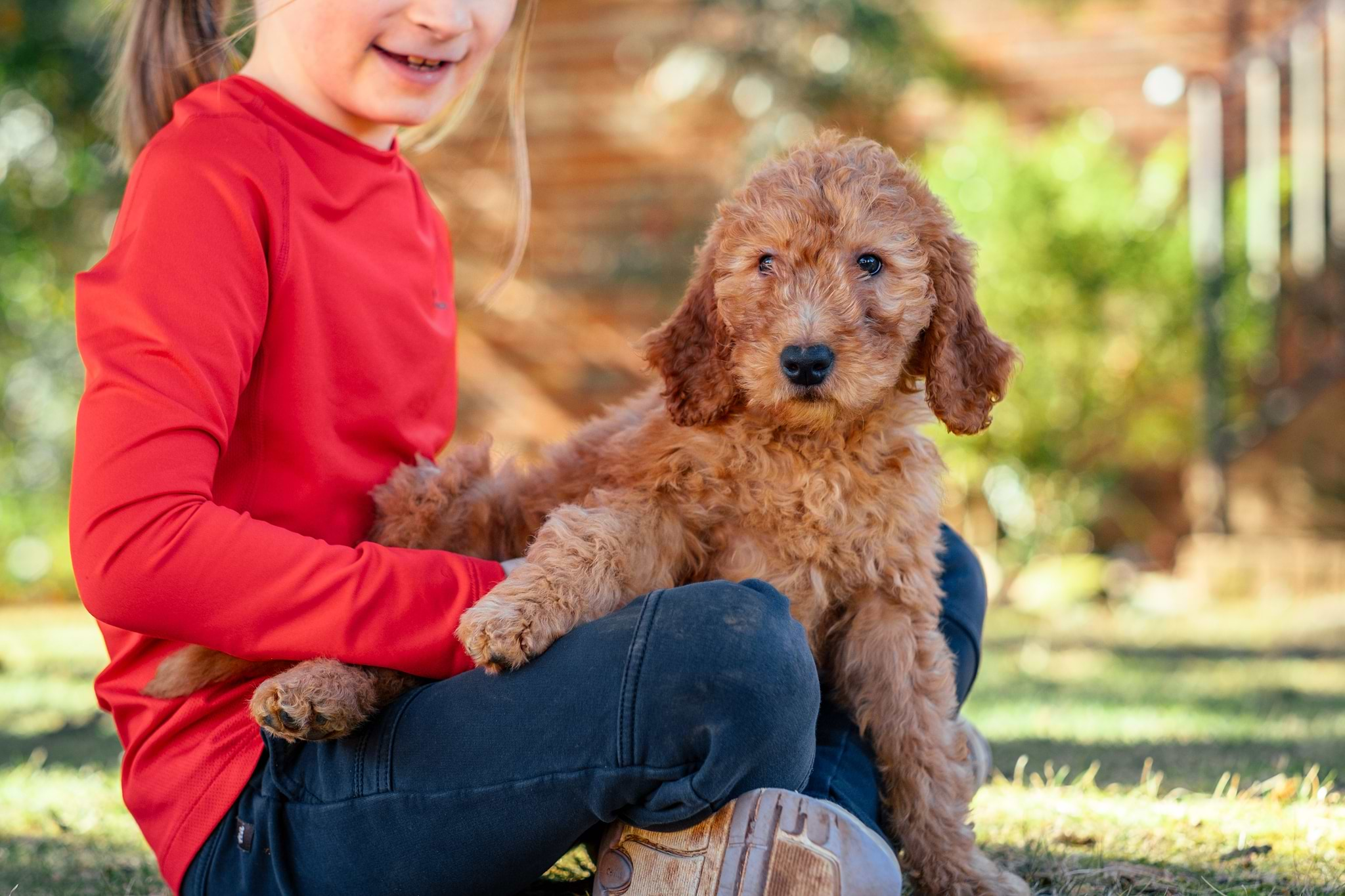
Toy Goldendoodle Life Hacks Every Owner Needs
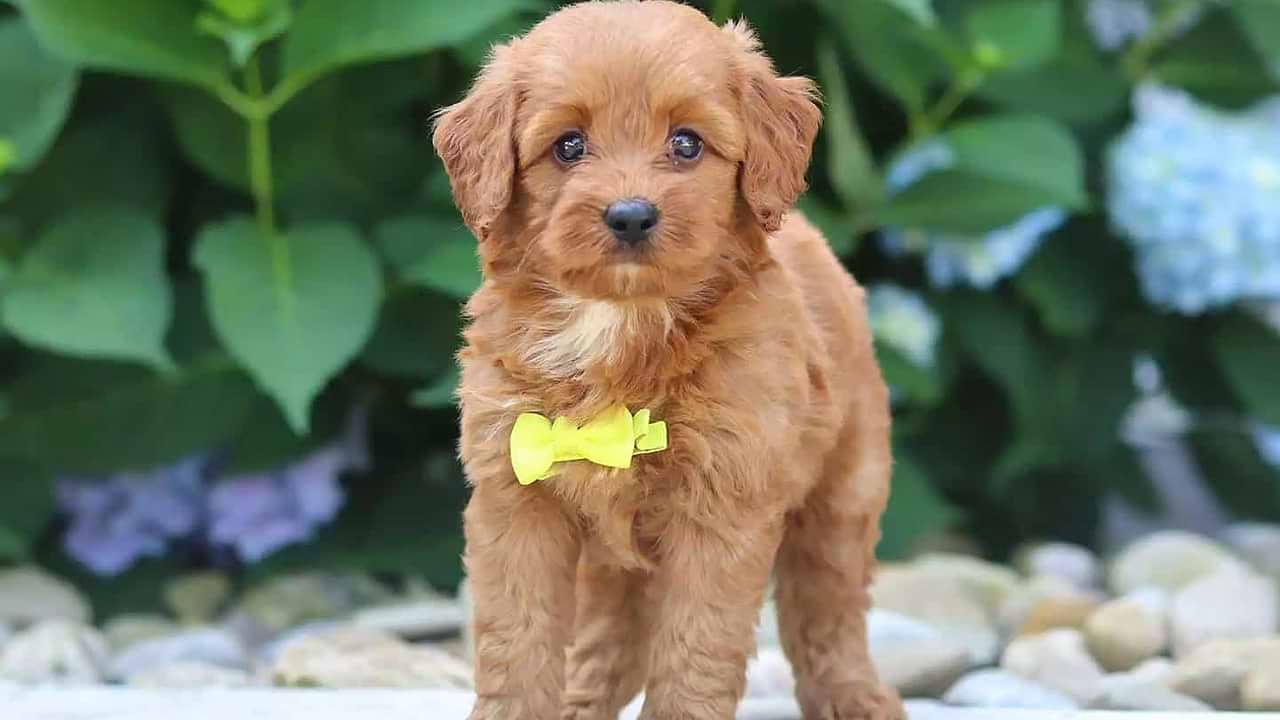
Owning a Toy Goldendoodle is a joyful experience. Life with this small dog is full of love, fun, and a little chaos. Their playful spirit and sweet nature make every day exciting. This guide shares helpful life hacks for living with your Toy Goldendoodle. These simple tips can make daily life easier and more enjoyable.
If you are a first-time owner, these ideas will help you start strong. If you already have experience, you may still discover new tricks to improve life with your dog.
Understanding Your Toy Goldendoodle
Breed Characteristics and Traits
Toy Goldendoodles are small versions of the popular Goldendoodle. They combine the intelligence of the Poodle with the friendly personality of the Golden Retriever. These small companions usually weigh between 10 and 25 pounds when fully grown. They often have coats that are considered allergy friendly. Their fur may be curly or wavy. Coat colors can vary. Many Toy Goldendoodles come in cream, apricot, red, or black. Their playful personality makes them wonderful family companions. They enjoy attention and love spending time with people.
Common Behavioral Patterns
Toy Goldendoodles are energetic, friendly, and affectionate dogs. They enjoy human interaction and thrive when they feel included in family life. Because they love their owners, they may develop separation anxiety if left alone for long periods. Most Toy Goldendoodles want to please their owners. This trait makes them easier to train than many other breeds.
They often get along well with children and other pets. Early socialization is still very important. Meeting new people, places, and animals helps them grow into confident and well behaved dogs.
Grooming Tips for Toy Goldendoodles
DIY Grooming vs. Professional Services
Regular grooming is essential for a Toy Goldendoodle’s health and comfort. Professional groomers provide full grooming services. However, learning basic grooming at home can save money and strengthen your bond with your dog.
Start with simple tools such as:
- A slicker brush
- A detangling comb
- Dog clippers made for grooming
Begin with simple grooming tasks like brushing, bathing, and light trimming. Leave complex haircuts to experienced professionals. Many owners groom their doodle at home between professional visits. This helps keep the coat clean and healthy.
Maintaining a Healthy Coat
Toy Goldendoodles usually have curly or wavy coats. These coats need daily brushing to prevent tangles and mats. Bathing your dog every 3–4 weeks is usually enough. Always use shampoo and conditioner made for dogs. Pay close attention to areas where mats form easily, such as:
- Behind the ears
- Under the collar
- Around leg joints
Regular ear cleaning and teeth brushing should also be part of your routine. Good coat care is not only about appearance. It helps prevent skin problems and keeps your dog comfortable.
Training Your Toy Goldendoodle
Basic Commands Every Dog Should Know
Training should begin early. Start with simple commands such as:
- Sit
- Stay
- Come
- Leave it
These commands build the foundation for safe and polite behavior. Keep training sessions short. Five to ten minutes is often enough. Repeat these sessions several times each day. Use clear voice commands along with simple hand signals. This helps your dog understand faster. Toy Goldendoodles are intelligent dogs. They often learn quickly when training is calm and consistent.
Positive Reinforcement Strategies
Toy Goldendoodles respond best to positive training methods. Reward good behavior right away. You can use treats, praise, or affection. Avoid punishment-based training. Harsh methods can damage trust and create anxiety. Consistency is very important. All family members should use the same commands and reward system. For advanced training help, consider using professional puppy training resources.
Diet and Nutrition for a Healthy Toy Goldendoodle
Choosing the Right Food
Choose high quality dog food made for small breeds. Look for food that lists real meat as the first ingredient. Avoid foods with too many fillers or artificial additives. Many owners feed premium kibble. Some also add fresh foods such as lean meat, vegetables, or fruit. Always consider your dog’s:
- Age
- Weight
- Activity level
Correct portion sizes help prevent obesity. Extra weight can cause health problems, especially in small dogs.
Monitoring Dietary Needs
Watch for signs that your Toy Goldendoodle is healthy and well fed.
Good signs include:
- Healthy weight
- Steady energy levels
- Normal stools
Puppies usually need to eat more often than adult dogs. Always provide clean, fresh water. Also keep track of treats. Too many treats can quickly add extra calories. Your veterinarian can give the best feeding advice for your individual dog.
Creating a Safe and Stimulating Environment
Essential Toys and Activities
Toy Goldendoodles are intelligent dogs. They need mental stimulation to stay happy. Without enough activity, they may become bored or destructive. Helpful toys include:
- Puzzle toys
- Interactive feeders
- Durable chew toys
Daily exercise is also important. Aim for at least 30 minutes of activity twice a day. Toy Goldendoodles enjoy games like fetch, short walks, and indoor play sessions.
Home Safety Tips
Make your home safe for your puppy. Secure trash cans and store chemicals out of reach. Hide electrical cords to prevent chewing. Create a special area where your dog can relax. This space can include their bed and favorite toys. Baby gates can help block access to unsafe areas. Toy Goldendoodles are small and energetic. Be careful with furniture they may jump from, as this could cause injury.
Socializing Your Toy Goldendoodle
Introduction to New People and Pets
Early socialization helps raise a confident dog. Introduce your Toy Goldendoodle to different people, animals, and environments during puppyhood. Use treats and praise to create positive experiences. Playdates with friendly, vaccinated dogs can help teach good canine communication skills. Visits to dog-friendly parks and public areas also help build confidence.
Managing Common Social Challenges
Some Toy Goldendoodles may bark too much or react strongly on a leash. These behaviors often improve with early training and calm exposure to new situations. Never force a fearful dog into interaction. Let them approach new experiences slowly. If your dog shows aggression or strong anxiety, seek help from a professional trainer.
Health Check-ups and Preventive Care
Regular Vet Visits
Schedule veterinary visits at least twice a year. Keep vaccinations up to date. Follow parasite prevention programs for fleas, ticks, and heartworms. Dental care is especially important for small breeds. Ask your vet about proper teeth care. Microchipping your dog and using updated ID tags can also help keep them safe.
Recognizing Signs of Illness
Learn to notice changes in your dog’s behavior or health.
Watch for signs such as:
- Loss of appetite
- Low energy
- Changes in bathroom habits
- Unusual behavior
Toy Goldendoodles may experience health issues such as ear infections, skin allergies, knee problems, or eye conditions. Early treatment often leads to better outcomes. Contact your veterinarian if you notice anything unusual.
Toy Goldendoodle Care Schedule
| Task | Frequency | Comments |
|---|---|---|
| Grooming | Every 6 weeks | Can be done at home or by a professional |
| Training Sessions | Daily | Include 10–15 minute sessions |
| Vet Check-ups | Twice a year | Keep vaccinations updated |
| Walks and Exercise | Daily | At least 30 minutes each day |
| Dental Care | Weekly | Brush teeth and check oral health |
How Often Should I Groom My Toy Goldendoodle?
Professional grooming is recommended every 6–8 weeks. Between visits, daily brushing helps prevent mats. Bathing can be done every 3–4 weeks. Ear cleaning and teeth brushing should also be regular parts of your routine. Helpful grooming tools include a slicker brush, steel comb, and detangling spray.
What Are the Best Training Techniques for Toy Goldendoodles?
Positive reinforcement training works best. Reward good behavior with treats, praise, or play. Keep sessions short, about 5–10 minutes, but repeat them often. Use the same commands across all family members. Begin training as soon as your puppy arrives home.
What Should I Feed My Toy Goldendoodle?
Choose high quality dog food designed for small breeds. Puppies need food made for growth. Adult dogs need balanced maintenance formulas. Follow portion guidelines, but adjust based on your dog’s body condition. Some owners add fresh foods like lean protein or vegetables after consulting their veterinarian.
How Do I Introduce My Toy Goldendoodle to New Environments?
Introduce new places slowly. Bring familiar items like toys or a blanket to help your dog feel safe. Use treats to create positive feelings about new environments. Allow your dog to explore at their own pace. If your dog feels nervous, start with short visits and increase time gradually.
What Are Common Health Concerns for Toy Goldendoodles?
Common health concerns may include:
- Ear infections
- Dental problems
- Patellar luxation (knee issues)
- Hip dysplasia
- Eye conditions
These dogs may inherit traits from both Poodles and Golden Retrievers. Watch for signs such as limping, scratching, bad breath, or low energy. Regular vet visits help detect problems early.
Essential Toy Goldendoodle Care Tips
- Schedule regular grooming sessions to keep your dog clean and comfortable.
- Provide toys that stimulate both the mind and body.
- Maintain a consistent training routine.
- Feed a balanced diet suited to your dog’s age and activity level.
- Focus on early socialization to build a confident companion.
Transform Your Toy Goldendoodle Experience Today
Simple life hacks can make a big difference in your daily routine with a Toy Goldendoodle. Small improvements in grooming, training, nutrition, and home safety create a strong foundation for a happy dog. Consistency is the key to success. Over time, these habits help build a strong and healthy relationship with your pet.
With the right care and attention, your Toy Goldendoodle can become a joyful and loyal companion for many years. For more helpful advice and resources, explore our full Toy Goldendoodle guide and continue learning how to give your doodle the best life possible.