Goldendoodle Puppies

Poodle crossed with a Golden Retriever

Goldendoodle Puppies

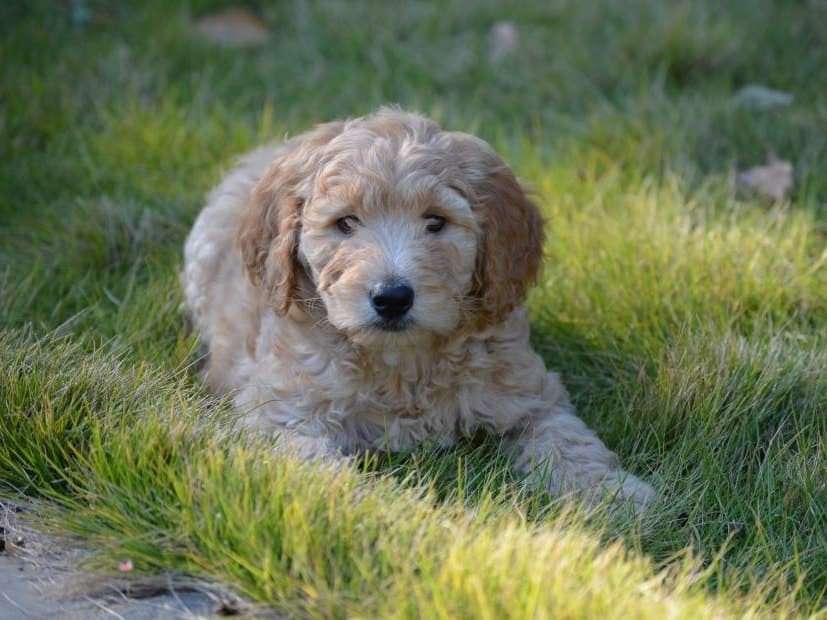
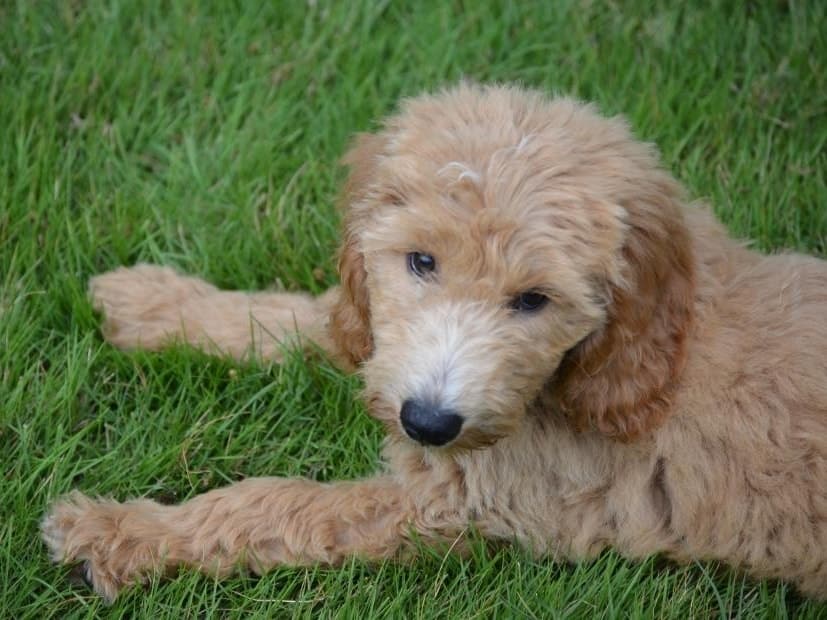
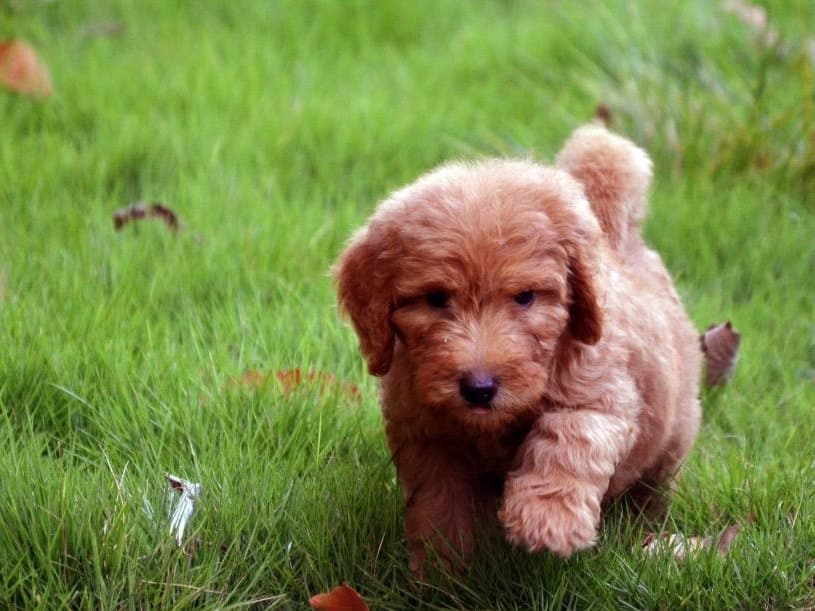
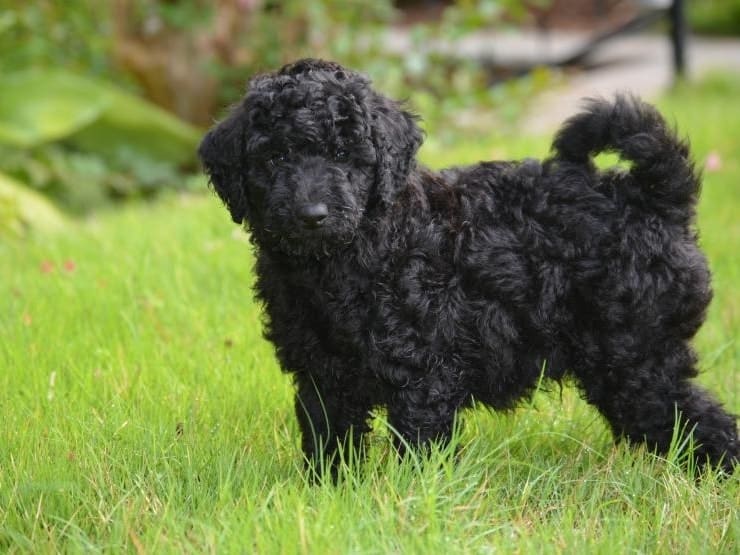
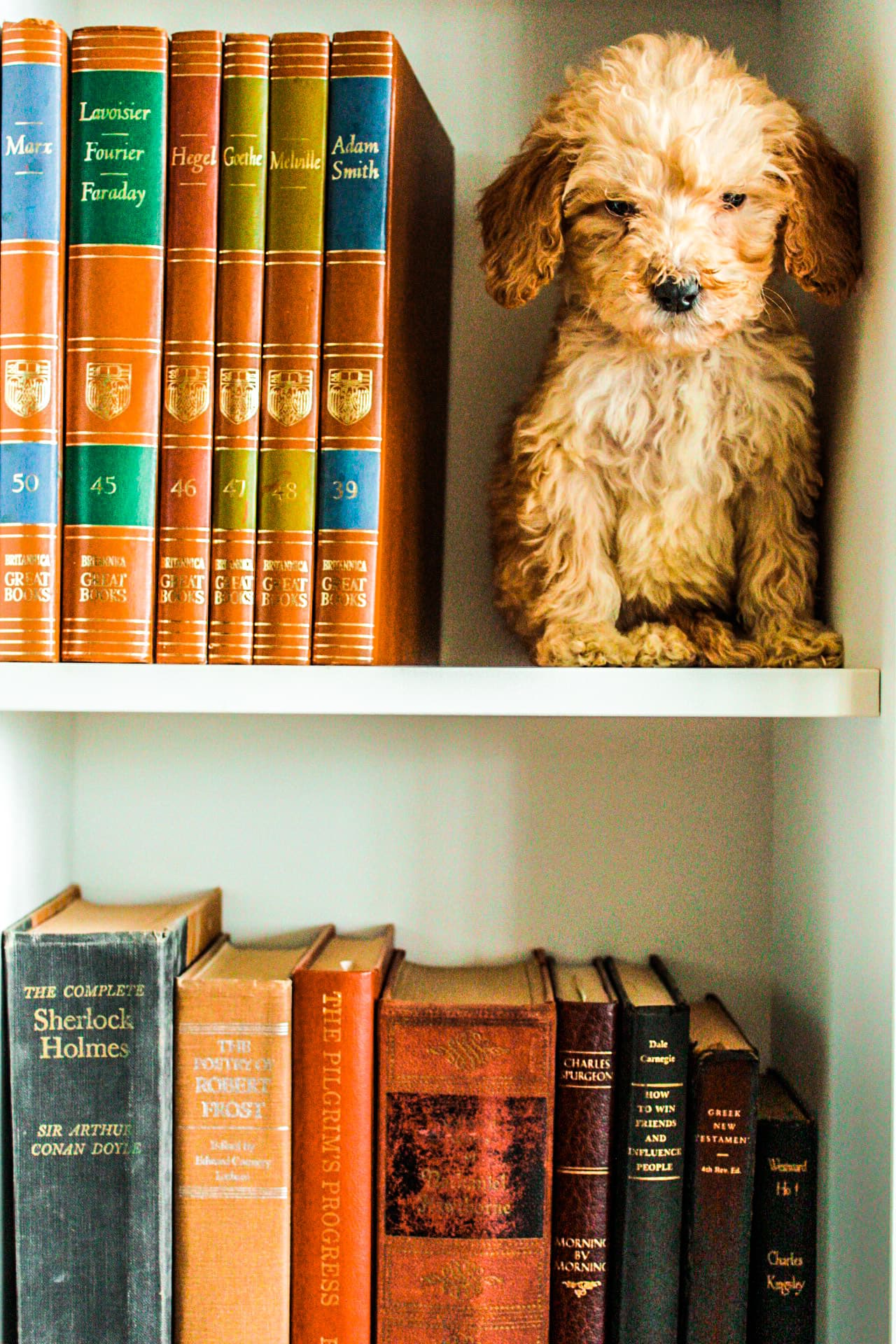
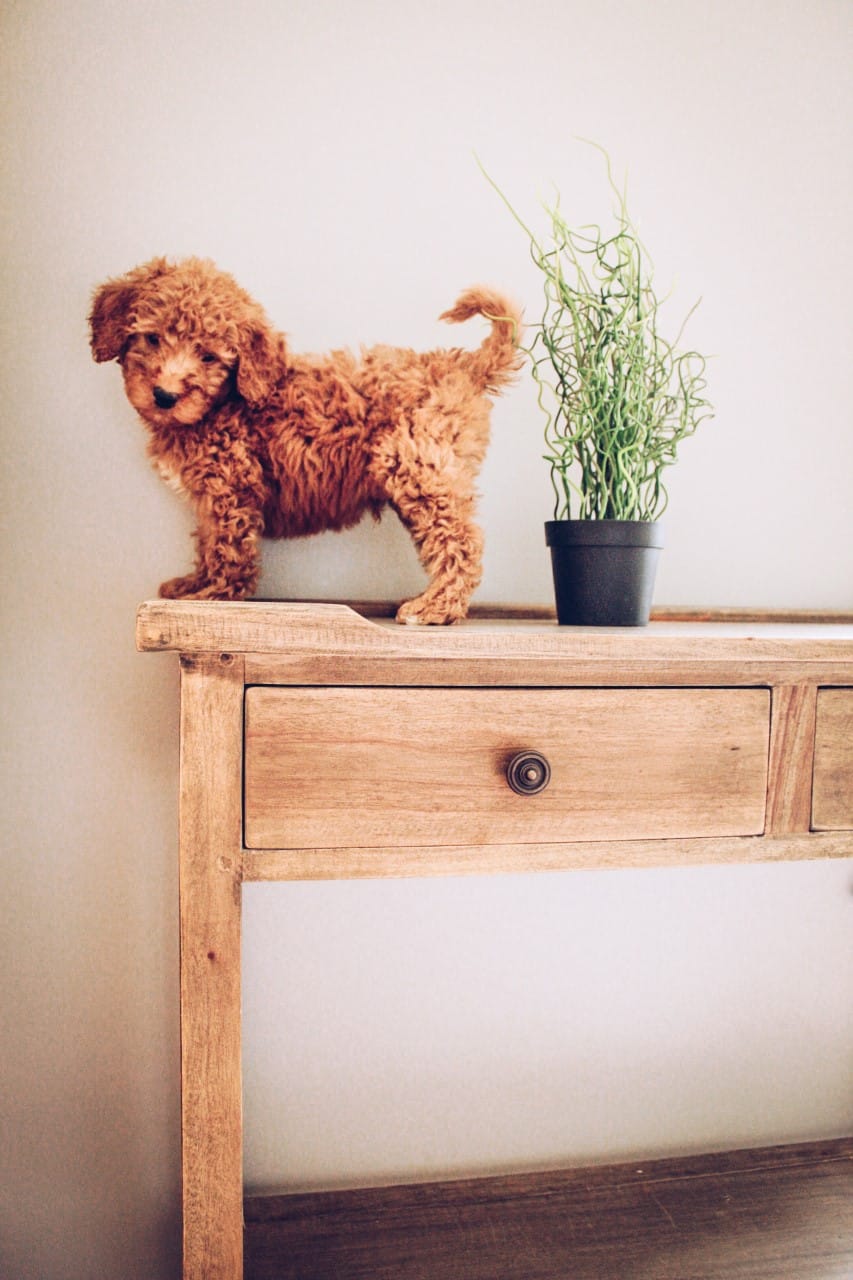
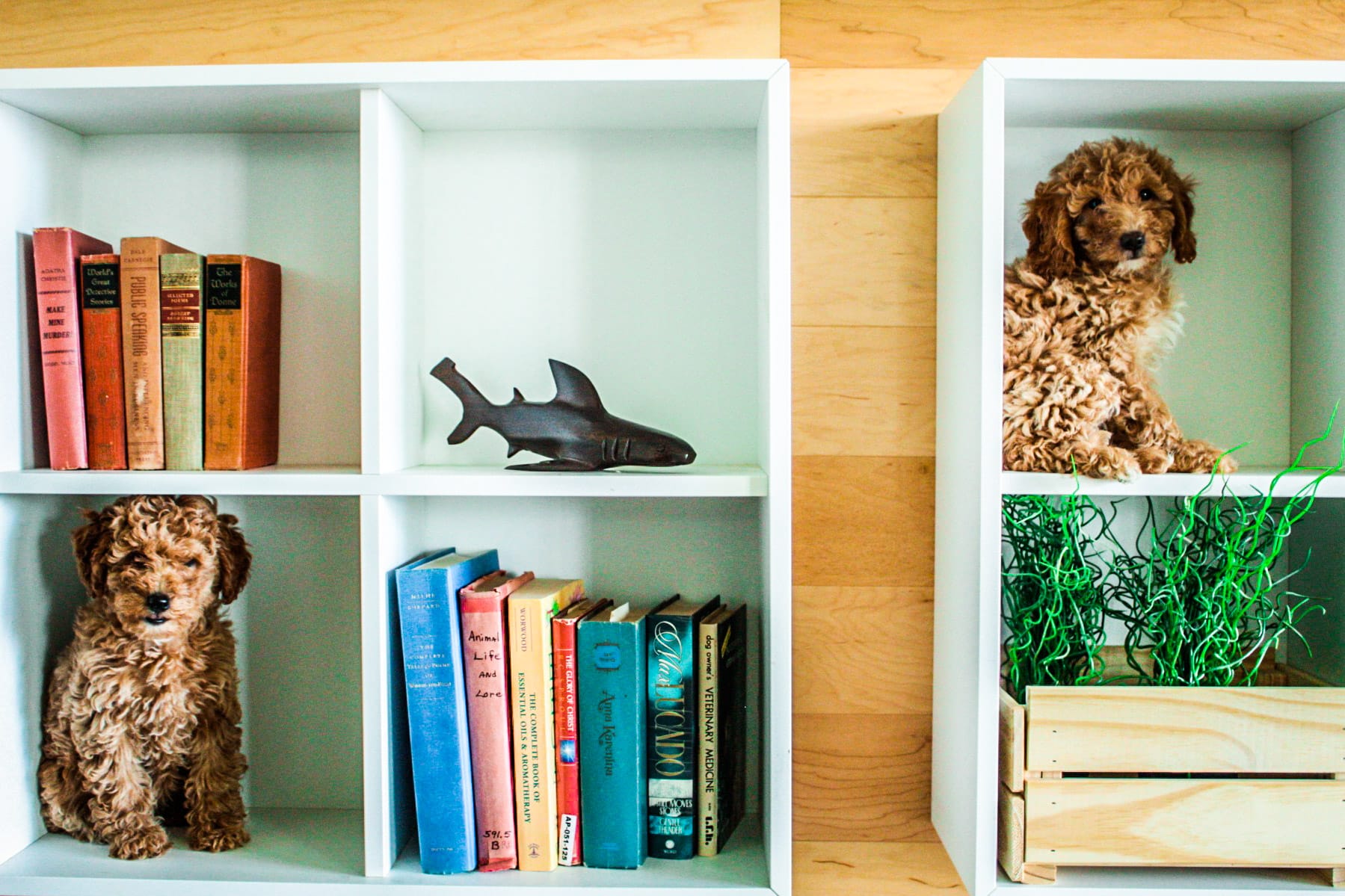
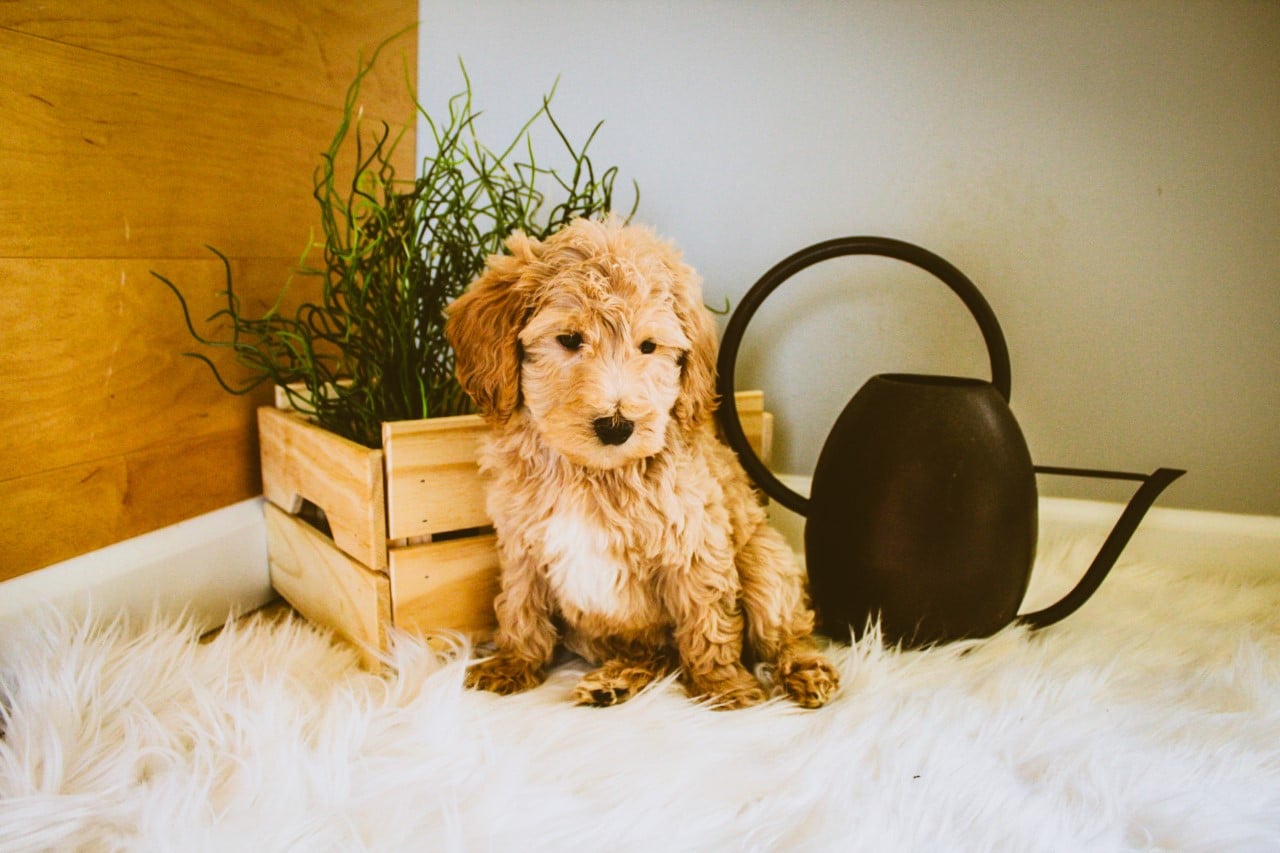
A Golden Doodle (also known as a Goldendoodle) or mini Golden Doodle (miniature Goldendoodle) is a mix of a Poodle (or mini Poodle) with a Golden Retriever. Golden Doodles are friendly companions that get along with everyone. Because of their temperament, they usually get along very well with children and other family pets. They are friendly, outgoing, intelligent, and can be highly obedient with proper training. Mini Golden Doodles are one of our most popular breeds. We also have litters of Micro Mini Goldendoodles throughout the year.
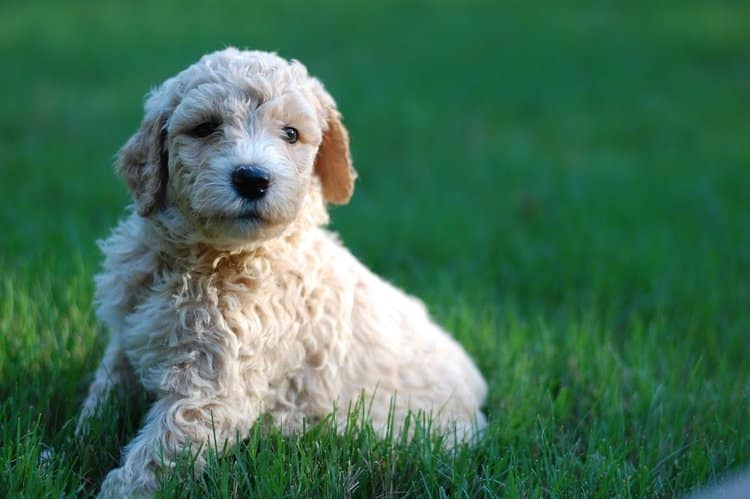
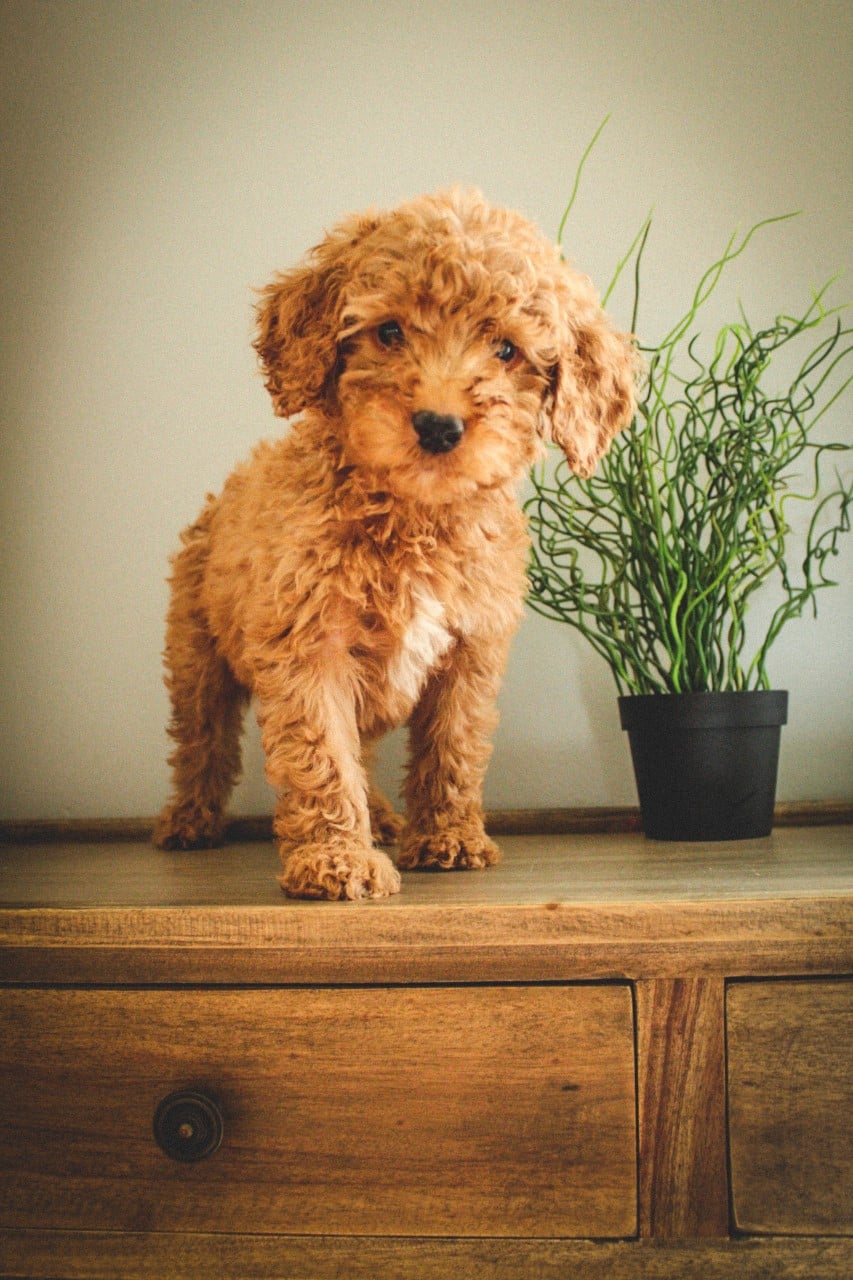
Apricot Standard Goldendoodle

At Crockett Doodles, we specialize in F1b Goldendoodle puppies — a first-generation Goldendoodle that is bred back to a Poodle. Breeding a first generation Goldendoodle back to a a standard Poodle or miniature or toy Poodle (mini golden doodle) ensures a higher probability of a non-shedding coat, which is especially good for families with allergies. To read more about the f-factor, check out our article: Why an F1b Doodle?

History and Origin

The Goldendoodle’s history is relatively recent, tracing back to the late 20th century. The breed was first intentionally developed in North America and Australia in the 1990s. The primary goal was to create a hypoallergenic guide dog that would combine the intelligence and low-shedding coat of the Poodle with the friendly, trainable nature of the Golden Retriever.

The concept of creating hybrid breeds for specific purposes isn’t new. Labradoodles, a cross between Labrador Retrievers and Poodles, were developed in the 1980s for similar reasons. The success of Labradoodles in producing dogs with desirable traits encouraged breeders to experiment with other Poodle crosses, leading to the development of the Goldendoodle.

Generations: What Are They?

Understanding the different generations of Goldendoodles can help prospective owners make informed decisions. The generation of a Goldendoodle refers to its lineage and the percentage of Poodle and Golden Retriever genetics it possesses. The most common generations are:

  • F1 Goldendoodles: First-generation cross between a purebred Golden Retriever and a purebred Poodle. They typically have a 50/50 genetic split.
  • F1B Goldendoodles: Back-cross of an F1 Goldendoodle with a Poodle, resulting in a 75% Poodle and 25% Golden Retriever mix. This generation often has curlier, more hypoallergenic coats.
  • F2 Goldendoodles: Second-generation cross between two F1 Goldendoodles. Their coat and temperament can vary widely.
  • Multi-Generational Goldendoodles: Crosses beyond the F2 generation, often bred to enhance specific traits such as coat type and temperament consistency.

Goldendoodles in Popular Culture

Goldendoodles have risen to prominence in popular culture, capturing the hearts of celebrities and public figures alike. Renowned for their amiable disposition and photogenic charm, Goldendoodles frequently grace social media feeds, star in advertisements, and make appearances on television programs. Their broad appeal has solidified their status as a beloved breed, earning them recognition and admiration across diverse media platforms. Whether they’re seen cuddling with famous faces or starring in viral videos, Goldendoodles continue to enchant audiences worldwide with their endearing presence and lovable personalities.

Physical Characteristics

Goldendoodles come in various sizes, largely dependent on the Poodle parent, which can be toy, miniature, or standard. Typically, Goldendoodles are classified into three sizes:

  • Standard Goldendoodles: Typically weigh over 55 pounds.
  • Medium Goldendoodles: Weigh around 41 to 55 pounds.
  • Traditional Mini Goldendoodles: Generally weigh between 25 to 40 pounds.
  • Toy Goldendoodles: Generally weigh under 25 pounds.

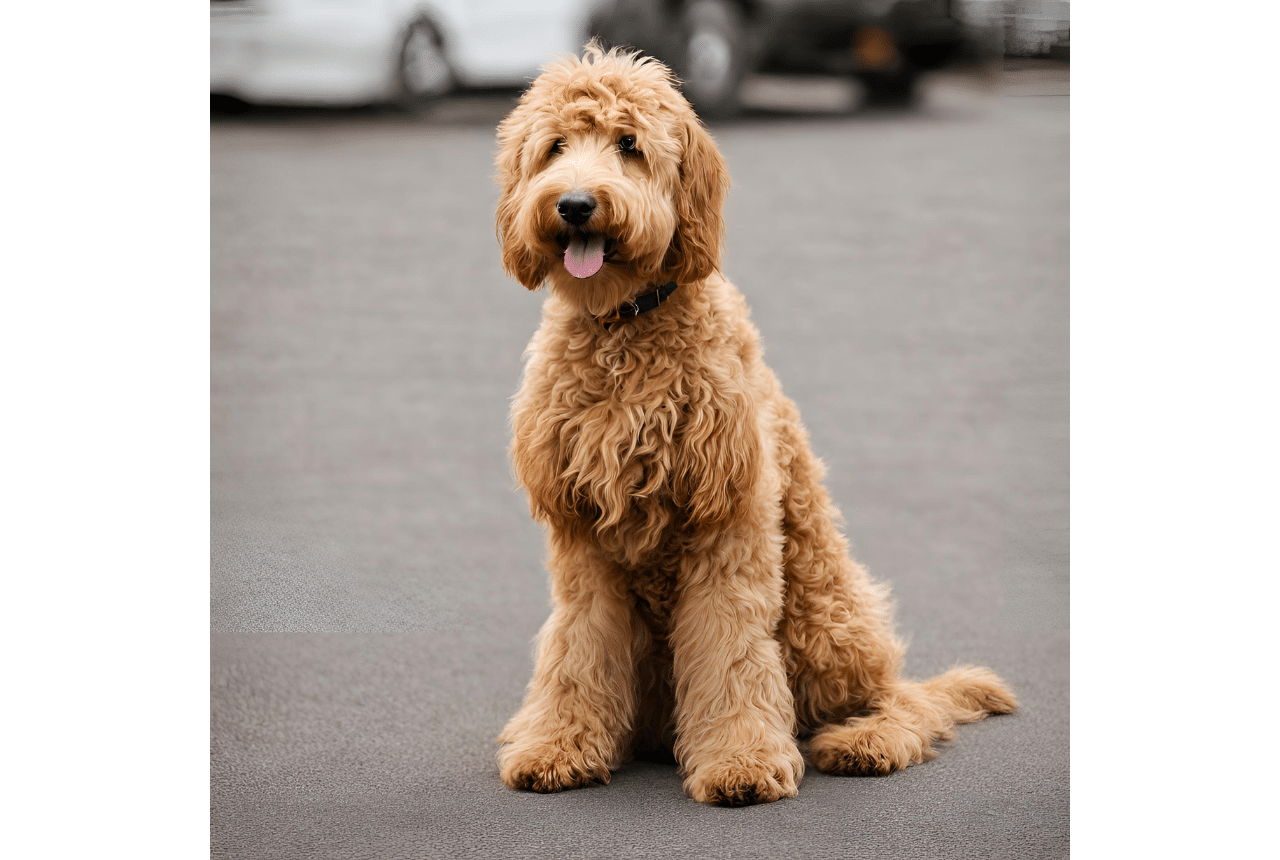
The Goldendoodle’s coat can be curly, wavy, or straight, with varying degrees of shedding. Many Goldendoodles inherit the Poodle’s hypoallergenic coat, making them a popular choice for people with allergies. Coat colors include a wide spectrum such as cream, apricot, gold, red, chocolate, and black. Some Goldendoodles even sport multiple colors or unique patterns.

How do Goldendoodles integrate with families?

Goldendoodles flourish in family settings where they can actively participate in daily activities. Their affectionate and sociable nature makes them eager to be involved in all aspects of family life. They bond closely with their human companions and thrive on interaction, whether it’s playtime, outdoor adventures, or simply being present during household routines. However, if left out or isolated from these interactions, Goldendoodles can become anxious and stressed. To ensure their well-being, it’s important to include them in family activities and provide plenty of social engagement. This integration helps them feel secure, happy, and an essential part of the family unit.

Friendly and Affectionate

One of the most well-known traits of Goldendoodles is their friendly and affectionate nature. They are known for being great family dogs, getting along well with children, other pets, and even strangers. Their sweet and loving personalities make them fantastic therapy dogs and they thrive on human interaction and attention.

Easy to Train

With their high intelligence and eagerness to please, Goldendoodles are typically easy to train. They respond well to positive reinforcement techniques, such as praise, treats, and playtime. This makes them a great choice for first-time dog owners or families with children who want to be involved in training.

Companion Dogs

Goldendoodles are often referred to as companion dogs because of their loyal and loving nature. They thrive on being part of a family and don’t do well when left alone for long periods. If you have a busy schedule, it’s important to make sure your Goldendoodle has plenty of toys, puzzles or a furry companion to keep them entertained.

Highly Active

Goldendoodles have a moderate to high activity level and require regular exercise to keep them healthy and happy. They are a combination of two energetic breeds, so be prepared for daily walks and playtime. They also love swimming, playing fetch, or any other activities that involve being outdoors.

Health and Lifespan

Goldendoodles generally have a healthy lifespan of 10 to 15 years. However, they, like all breeds, can be prone to certain health issues. Common concerns include hip dysplasia, elbow dysplasia, allergies, and eye conditions such as progressive retinal atrophy. To maintain their health, regular veterinary check-ups, a balanced diet suitable for their specific needs, and sufficient exercise are crucial aspects of their care routine. By proactively addressing these health considerations, owners can help ensure the longevity and well-being of their beloved Goldendoodles.

Grooming and Care

Grooming and care play vital roles in maintaining the Goldendoodle’s appealing appearance and overall well-being. Renowned for their low-shedding coat, Goldendoodles require consistent grooming to prevent matting and tangles. Depending on their specific coat type, they may need to be brushed several times a week and receive professional grooming every 6 to 8 weeks. Additionally, routine care encompasses regular ear cleaning to prevent infections, nail trimming to maintain optimal foot health, and dental hygiene to prevent dental issues. By prioritizing these grooming and care practices, owners can ensure that their Goldendoodles remain healthy, comfortable, and looking their best.

Mental Stimulation

Goldendoodles require mental stimulation to complement their physical exercise regimen. Incorporating activities like puzzle toys, obedience training, and interactive games into their daily routine can help keep their minds sharp and engaged. These mental challenges not only prevent boredom but also provide valuable opportunities for learning and problem-solving. By ensuring a balance of both physical and mental stimulation, you can help fulfill your Goldendoodle’s cognitive needs and contribute to their overall well-being and happiness.

What are the nutritional requirements for Goldendoodles?

A balanced diet is crucial for a Goldendoodle’s health and well-being. High-quality commercial dog food that meets the dog’s specific age, size, and activity level is recommended. Here are some general dietary guidelines:

  • Puppy Stage: Puppies require a diet rich in protein and fats to support their growth and development.
  • Adult Stage: Adult Goldendoodles need a balanced diet with a good mix of protein, fats, and carbohydrates to maintain their energy levels and overall health.
  • Senior Stage: Senior dogs may require a diet tailored to their changing metabolism and potential health issues, such as joint support or weight management formulas.

Always consult with a veterinarian to determine the best diet plan for your Goldendoodle.

Exercise and Training

Goldendoodles, being active and lively by nature, necessitate consistent physical activity to thrive both mentally and physically. Daily walks, engaging play sessions, and mental stimulation, such as training exercises or interactive toy play, are essential components of their routine. Leveraging their intelligence and desire to please, Goldendoodles excel in various training activities, including obedience training, agility courses, and even service or therapy work. By incorporating regular exercise and training into their daily regimen, owners can ensure that their Goldendoodles remain content, healthy, and fulfilled companions, while also fostering a strong bond between pet and owner.

Goldendoodles as Therapy and Service Dogs

Goldendoodles, with their exceptional intelligence, trainable nature, and gentle demeanor, are ideally suited for therapy and service roles. Many Goldendoodles serve as therapy dogs in hospitals, nursing homes, and educational institutions, offering solace and companionship to individuals in various settings. Their innate intuition and capacity to forge deep connections with humans also make them valuable assets as service dogs for individuals with disabilities. By harnessing their natural abilities and affable personalities, Goldendoodles fulfill essential roles in enhancing the well-being and quality of life for those they serve.

Living Conditions

Goldendoodles demonstrate remarkable adaptability to a range of living situations, from cozy apartments to spacious homes with ample outdoor space. However, their optimal living environment is one where they receive regular human interaction and are not left alone for extended periods. Goldendoodles are prone to experiencing separation anxiety when left alone for too long, emphasizing the importance of companionship and mental stimulation.

To ensure their contentment and prevent undesirable behaviors stemming from boredom, it’s essential for owners to provide Goldendoodles with sufficient mental and physical stimulation through interactive play, exercise, and engaging activities. By fostering an environment rich in companionship and stimulation, owners can create a fulfilling and harmonious living arrangement for their Goldendoodles, promoting their overall well-being and happiness.

Socialization

Early socialization plays a crucial role in shaping the temperament and behavior of Goldendoodles. Introducing them to various people, places, and animals during their formative months helps instill confidence and fosters positive interactions. Through exposure to diverse stimuli in a controlled and positive manner, Goldendoodles learn to navigate different situations with ease and develop into well-mannered adults. Utilizing positive reinforcement techniques during training and socialization further enhances their learning experience, reinforcing desirable behaviors and strengthening the bond between pet and owner. By prioritizing early socialization, owners can lay a solid foundation for their Goldendoodle’s social skills and ensure they grow into happy, confident, and socially adept companions.

Seasonal Care

Adjusting your Goldendoodle’s care routine to seasonal changes is essential for their well-being. During hot summer months, provide ample shade and access to fresh water to prevent overheating. Limit outdoor activities to cooler parts of the day and be cautious of hot pavement that can burn their paws. In colder weather, consider investing in a sweater or coat to keep them warm during walks. Adjust their exercise regimen to accommodate shorter daylight hours and inclement weather, opting for indoor play or puzzle toys to keep them mentally stimulated.

Additionally, pay attention to their grooming needs, such as more frequent brushing to remove excess fur during shedding seasons or using pet-safe moisturizers to prevent dry skin in winter. By being proactive and adapting their care routine to seasonal changes, you can ensure your Goldendoodle remains healthy, comfortable, and happy throughout the year.

Low-Shedding Coat

One of the main reasons why Goldendoodles have gained popularity is their hypoallergenic coat. Thanks to their Poodle genetics, they have a low-shedding coat that produces less dander, making them a great choice for people with allergies. However, it’s important to note that every dog is different and some Goldendoodles may still trigger allergies in some individuals.

Do Goldendoodles bark often?

Goldendoodles are generally not known for excessive barking, but their level of vocalization can vary among individuals. While some Goldendoodles may be more vocal than others, proper training can effectively manage any barking tendencies they might develop. Early socialization and positive reinforcement techniques are key to teaching Goldendoodles when it is appropriate to bark and when to remain quiet. By addressing barking behaviors from a young age, owners can ensure their Goldendoodles become well-mannered, calm companions who are less likely to bark excessively in various situations.

Behavior with Strangers

Goldendoodles are typically friendly and approachable, making them great companions when meeting strangers. Their naturally sociable disposition means they are usually comfortable and welcoming in new situations. However, to ensure that Goldendoodles maintain this positive behavior, early socialization is crucial. Introducing them to various people, environments, and experiences during their formative months helps them develop confidence and good manners. Positive reinforcement and consistent exposure to different social settings will solidify their friendly nature, making them well-adjusted adults who interact well with strangers. This early groundwork ensures Goldendoodles grow up to be confident and sociable pets.

Travel Compatibility

Goldendoodles make excellent travel companions thanks to their adaptable and easygoing nature. To ensure a smooth travel experience, it is important to acclimate them to car rides from a young age. Gradual exposure, positive reinforcement, and short trips can help them become comfortable with traveling. Providing a secure and cozy space, such as a crate or a well-padded seat, can further enhance their comfort and safety during journeys. Regular breaks for exercise, bathroom needs, and hydration are also essential to keep them happy and healthy on the road. With proper preparation, Goldendoodles can enjoy and adapt well to travel adventures.

Where can I find Goldendoodles for adoption?

Why Choose a Goldendoodle?

Goldendoodles are highly regarded for their array of positive attributes, making them an appealing choice for individuals and families across diverse life stages. Celebrated for their friendly and affectionate demeanor, Goldendoodles effortlessly forge strong connections with individuals of all ages and coexist harmoniously with children and other pets. Their inherent intelligence, stemming from their Golden Retriever and Poodle ancestry, facilitates seamless learning and responsiveness to positive training methods. This intelligence, combined with their amiable disposition, positions them as versatile companions capable of fulfilling roles as therapy dogs, service animals, and cherished family pets.

Whether offering solace as therapy dogs or indulging in playful antics, Goldendoodles consistently charm with their endearing traits and ability to adapt to various lifestyles, ensuring they remain beloved companions in countless households.

Adopting

If you’re considering bringing a Goldendoodle into your family, it’s important to understand their personality and traits. Golden Doodles are a hybrid breed, created by crossing a Golden Retriever with a Poodle. They have become increasingly popular in recent years due to their friendly nature, intelligence and hypoallergenic coat.

What Should You Know Before Adopting a Goldendoodle?

Adopting a Goldendoodle is a significant commitment, and there are several factors to consider to ensure it is the right decision for your lifestyle and family.

  • Time Commitment: Goldendoodles require regular exercise, grooming, and training. Ensure you have the time to meet these needs.
  • Financial Responsibility: Owning a Goldendoodle involves costs for food, grooming, veterinary care, and supplies.
  • Living Situation: Consider whether your living environment is suitable for a Goldendoodle. They need space to play and regular companionship.
  • Research Breeders: If buying from a breeder, ensure they are reputable and prioritize the health and well-being of their dogs. Ask about health screenings and health guarantee.

Insurance Considerations

Considering pet insurance is crucial for managing unforeseen medical costs. By researching and selecting a policy tailored to your Goldendoodle’s unique health needs, you can ensure financial protection in case of accidents, illnesses, or other veterinary emergencies. Assessing factors such as coverage limits, deductibles, and exclusions will help you make an informed decision and provide peace of mind knowing that your pet’s healthcare needs are covered.

Conclusion

Goldendoodles are an excellent choice for families or individuals looking for a friendly, intelligent and affectionate dog. They do well in most living situations as long as they receive plenty of love, attention, and exercise. Before bringing a Goldendoodle into your home, make sure to research and understand their needs to ensure you can provide them with the best possible care. So if you’re considering adding a furry friend to your life, a Goldendoodle may be the perfect fit for you. Happy dog parenting! #GoldendoodlesAreAwesome.

Crockett Doodles wants to ensure that families are paired up with a Doodle puppy that is a good fit for them. If you need help distinguishing the characteristics between a Goldendoodle and a Labradoodle, see Goldendoodle vs. Labradoodle.

We Accept
Payment Methods
Pay with interest-free Installments using splitit
Your payment details are secure. All information is protected using Secure Sockets Layer (SSL) technology.

Puppy Adoption Timeline

Puppy Adoption Process

We Deliver Nationwide

Pawsitive Beginnings Puppy Training with Crockett Doodles
Pawsitive Beginnings - Board & Train

Puppies on this page are matched on a first-come, first-served basis by deposit.
Serious Inquiries only, please.
Puppies marked ‘Available Now’ are ready for immediate delivery or pick-up.
(based on Family / Delivery availability)

12-Year Health Guarantee
32 people viewing now
Puppies may still be available

Goldendoodle Puppies for Sale — Inquire Today


1. Browse available puppies below
2. Select your filters & click 'SEARCH'
3. Click on a pup for more info


reset search filters

* Anticipated weight (lbs) when full grown
Have questions about our Available Puppies?
Speak with an Adoption Assistant today — (864) 791-5650.
You might be interested in our other Available Puppies

OR Join our Priority Deposit List for new arrivals


Reserved Puppies -
No Longer Available

Reserved puppies have already been spoken for and reserved by a forever family.

Learn More About Goldendoodle Breed Characteristics

Goldendoodles for sale

Common Questions About Goldendoodle Puppies

What is a Goldendoodle?

A Goldendoodle (or Golden Doodle) is a mix between a Poodle (or mini Poodle) and a Golden Retriever.

Do Goldendoodles Bark a Lot?

Goldendoodles, a popular hybrid of Golden Retrievers and Poodles, are known for their friendly, intelligent, and affectionate nature. These traits make them excellent companions for families, individuals, and even as therapy dogs. But a common question among potential and current owners is whether Goldendoodles need another dog for company. Let’s delve into this topic to provide clarity.
Social Nature of Goldendoodles
Goldendoodles are inherently social creatures. They inherit their sociable and loving demeanor from their Golden Retriever and Poodle parents, both of which are breeds known for their friendly personalities. This social inclination means that Goldendoodles generally enjoy the company of people and other animals, including other dogs.
Benefits of Having Another Dog

  • Companionship: Just like humans, dogs can experience loneliness. Having another dog can provide constant companionship, especially for Goldendoodles, who thrive on interaction and are prone to separation anxiety if left alone for extended periods.
  • Play and Exercise: Dogs often engage in play with each other, providing mental stimulation and physical exercise that is crucial for their health. This can be particularly beneficial for Goldendoodles, as they are energetic and need regular exercise to maintain their health and happiness.
  • Socialization: Interaction with another dog can help in socializing a Goldendoodle, teaching them important canine social cues and preventing behavioral issues related to fear or aggression.

Considerations Before Getting Another Dog

  • Individual Personality: While many Goldendoodles may appreciate a canine companion, it’s important to consider the individual personality of your dog. Some dogs may prefer human company over that of other dogs, or might be more territorial and less willing to share their space.
  • Age and Energy Levels: The age and energy level of your current dog should be considered. Puppies or high-energy dogs might benefit from a companion to play with, while older dogs might prefer a quiet environment.
  • Financial and Time Commitment: Owning more than one dog doubles the responsibility, time, and financial commitment. Consider whether you have the resources and time to devote to the care, training, and attention of an additional pet.
  • Introduction and Compatibility: If you decide to get another dog, ensure that the introduction is done carefully to foster a good relationship between the pets. Compatibility in terms of temperament, energy levels, and size can be crucial for a harmonious household.

Conclusion
While Goldendoodles are sociable and often enjoy the company of another dog, it’s not a necessity for them to lead a happy life. The decision to add another dog to your family should be based on careful consideration of your current dog’s personality, your ability to meet the needs of another pet, and the dynamics of your household. Ultimately, whether a Goldendoodle needs another dog varies and should be tailored to the specific circumstances and needs of each individual dog and their owners.

Do Goldendoodles shed?

Overall, Goldendoodles are a great breed choice for those who suffer from pet allergies or who want to avoid the added mess of dog hair in their home, as they tend to be low-shedding and hypoallergenic. For those who deal with allergies, we encourage you to consider adopting a curly-coated pup. Typically, the curlier the coat, the less shedding that pup will experience as an adult. However, it’s still important to brush them regularly to reduce any shedding and keep their coat looking healthy and beautiful. With a little extra care, you can enjoy the many benefits of owning a Goldendoodle without worrying about shedding.

How big do Goldendoodles get?

Generally, Standard Goldendoodles tend to be over 55 pounds when grown while Medium Goldendoodles tend to grow in the 41-55 pound range. Since each pup is a beautiful and unique blend of their genetics, these ranges are simply estimates and not guarantees.

How big do Mini Goldendoodles get?

Generally, a Toy/Petite Goldendoodle will grow somewhere in the 5-24 pound range while a Traditional Mini Goldendoodle will grow to be in the 25-40 pound range. Since each pup is a beautiful and unique blend of their genetics, these ranges are simply estimates and not guarantees.

Are Goldendoodles Hypoallergenic?

See our answer above about, “Do Goldendoodles shed?”

Are Goldendoodles Good with Children?

Goldendoodles have a loyal and affectionate nature which makes them excellent family dogs. Puppies are always playful, but once trained they tend to be patient and gentle with children. They love to be with their people and find joy in running errands, hiking, playing and sharing life with them. Goldendoodles are the all-around perfect family dog.

Can Goldendoodles Be Left Alone?

Goldendoodles, the affectionate and intelligent crossbreed between Golden Retrievers and Poodles, are renowned for their loving nature and strong bond with their owners. This close relationship often raises questions for potential and existing owners about the breed’s ability to be left alone. Understanding a Goldendoodle’s temperament, needs, and how they cope with solitude is crucial for ensuring their well-being.
Understanding A Goldendoodle’s Temperament
Goldendoodles are known for their friendly, gentle, and social nature. They typically form strong attachments to their families and can be quite sensitive to their environment and routine. This breed inherits the sociable traits of the Golden Retriever and the intelligence and loyalty of the Poodle, making them excellent companions but also prone to separation anxiety if not properly conditioned to spend time alone.
Separation Anxiety in Goldendoodles
Separation anxiety is common in many dog breeds, particularly those as sociable and people-oriented as Goldendoodles. Signs of separation anxiety include destructive behavior, excessive barking or howling, and restlessness or depression when left alone. It’s important for owners to recognize these signs early and take steps to alleviate their pet’s distress.
Training Goldendoodles to Be Alone

  • Gradual Conditioning: Start by leaving your Goldendoodle alone for short periods and gradually increase the duration as they become more comfortable. This helps them understand that you will return and that being alone is not a negative experience.
  • Create a Safe Space: Providing a comfortable, safe space like a crate or a specific room can offer security to your dog. Familiar items like toys, blankets, or pieces of clothing with your scent can also be comforting.
  • Mental and Physical Stimulation: Ensuring your Goldendoodle has plenty of physical exercise and mental stimulation before you leave can help them relax and rest while you’re away. Puzzle toys or treat-dispensing toys can keep them occupied.
  • Practice Departure Cues: Dogs often become anxious even before you leave, recognizing signs such as picking up keys or putting on shoes. Desensitizing your dog to these cues can reduce pre-departure anxiety.
  • Consider a Dog Sitter or Doggy Daycare: If you need to leave your Goldendoodle alone for extended periods regularly, consider options like a trusted dog sitter or a reputable doggy daycare to keep them company.

Factors to Consider

  • Age of the Dog: Puppies and younger dogs generally have more energy and may struggle more with being alone compared to older, more settled dogs.
  • Individual Personality: Each Goldendoodle has a unique personality. Some may be more independent, while others may struggle more with separation.

Conclusion
While Goldendoodles can be trained to be left alone, it’s important to do so responsibly and with consideration of their needs and temperament. They thrive on companionship and interaction, so ensuring they are comfortable and secure when alone is key to their well-being. With proper training, socialization, and care, Goldendoodles can learn to enjoy their own company in a safe and calm environment.

What are Goldendoodles known for?

Goldendoodles are known for their affectionate, loyal and social natures. Their intelligence and intuitive temperaments make them good candidates for therapy and emotional support dogs and this may be one of the most popular breeds for companion roles. Goldendoodles are friendly and get along with everyone – including other family pets. Their intelligence makes them easy to train as well.

Do Goldendoodles Need Training?

We highly recommend Goldendoodle owners incorporate formal training early in their pup’s life to establish good home and social habits. Goldendoodles are highly intelligent and loyal and are therefore easy to train.

What Colors are Goldendoodles?

English Cream, Caramel, Apricot, Red, Black, Tan

What are the Advantages of the Goldendoodle Breed?
  • They are healthier due to Goldendoodle hybrid vigor.
  • They have hypoallergenic coats (particularly curly-coated F1b pups).
  • Goldendoodles are well-known for their friendly temperaments.
  • Goldendoodles are typically great with children.
  • Goldendoodles are highly intelligent.


Goldendoodle Puppies Discounts

$100 puppy discount for military, veterans, firefighters, EMTs, police officers, pastors, teachers, and home school parents

$100 puppy discount for anyone who was referred by a Crockett Doodles Forever Home who adopted a puppy from us

All discounts must be requested and processed BEFORE the Puppy Adoption is completed on Adoption Day.

Advantages of a Golden Doodle or Mini Goldendoodle

(These advantages are typically the case, but cannot be guaranteed to be true of each individual Doodle puppy.)

  1. Healthier due to hybrid genes
  2. One of the few large dogs that does not shed
  3. Playful personalities
  4. Goldendoodles are very friendly
  5. Goldendoodles are usually great with children
  6. Goldendoodles are highly intelligent
Red Mini Goldendoodle from Crockett Doodles

Red mini Goldendoodle from Crockett Doodles

Goldendoodle Pricing

Price Range: $1800-$3200

  • Pricing is based on breed, coat, color and size.
  • We reserve the right to adjust the pricing of individual puppies for any reason.

Goldendoodle Sizes

We offer the following size(s) for our Goldendoodle puppies:
Toy/Petite, Traditional Mini, Medium, Standard
Goldendoodle Puppies Size Comparison

Pups shown above are Goldendoodles (8 weeks old) – Sizes listed are full-grown estimates. Not every breed is available in every size shown.

Goldendoodle Colors

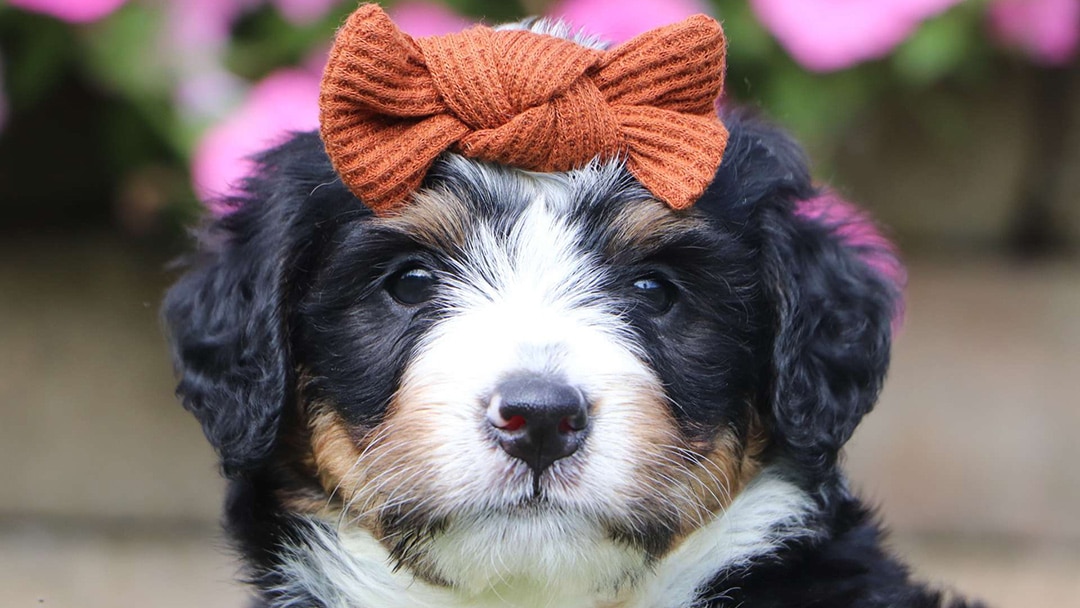
Goldendoodle and mini Goldendoodle puppy colors include English cream, caramel, apricot, red, black, and tan. Depending on the parents, doodle puppies can have special markings, tri-color markings or merle colors.

Goldendoodle and Mini Goldendoodle Coat Types

Our most popular Goldendoodle coat types include curly, wavy, and straight. F1 Golden Doodles typically have straight to wavy coats, whereas F1b Goldendoodles end up on the curlier side of the spectrum.

Want to find out more about Goldendoodle Puppies?

Get More Details at our Sister Site


Check out our Breed Comparison


Apply today for a chance to be selected for a future Goldendoodle puppy from Crockett Doodles!
Goldendoodle Word Art
© Copyright 2011-2026 Crockett Doodles LLC /
All Rights Reserved